Thinking about buying in Rathdrum and eyeing a property with a guest house or future backyard cottage? You are not alone. Accessory dwelling units can help with multigenerational living or offset a mortgage, but the rules and costs vary by lot, utilities, and city code. In this guide, you will learn the essentials to verify before you buy, how ADUs work in the Rathdrum area, and a simple checklist to use during due diligence. Let’s dive in.
What is an ADU?
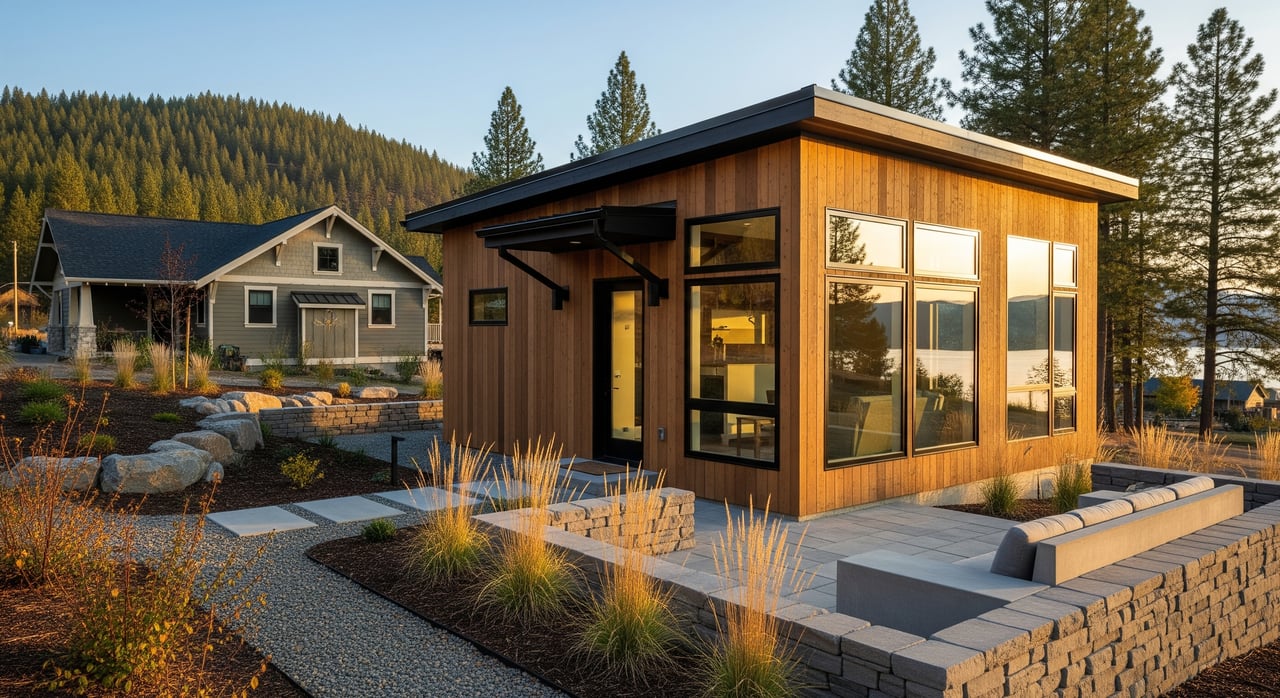
An accessory dwelling unit is a smaller, secondary home on the same lot as a primary residence. It has its own kitchen, sleeping space, and bathroom. In practice, it can support multigenerational living, long‑term rental, a caregiver suite, or a home office.
Common ADU types include:
- Internal conversions, such as a basement or part of the main home
- Attached additions that extend the primary house
- Detached units, often in a rear or side yard
- Converted accessory buildings, like a garage turned into living space
The appeal is simple: flexibility, potential rental income, and long‑term marketability when the unit is properly permitted and built to code.
Start with local rules
Rathdrum and Kootenai County each have their own processes. Verify current requirements with city staff and county agencies before relying on any plan or income estimate.
Zoning and land use
Ask the City of Rathdrum Planning and Zoning which ADU types are allowed in the property’s zoning district. Request the official zoning designation, the zoning map, and any ADU provisions for size, height, setbacks, and lot coverage. Zoning determines whether a detached unit is legal or whether only internal or attached options are allowed.
Permits and code compliance
Most new ADUs or conversions require building permits and inspections for structural, electrical, plumbing, mechanical, fire, and egress standards under Idaho codes. If an ADU already exists, ask for permit records and final inspection approvals. Unpermitted work can create liability and may complicate financing or closing. Confirm status with the city building department and consult the Idaho Division of Building Safety for statewide code guidance.
Utilities, septic, and wells
Utility capacity often drives feasibility and cost. If the property is on public sewer, you may need a capacity review or connection permits. If it uses a septic system or private well, Kootenai County Environmental Health may limit additional bedrooms or require upgrades. Ask about water meter size, sewer capacity, and electrical service. Metering or sub‑metering affects billing and operating costs.
Parking, access, and site limits
Many jurisdictions require on‑site parking for an ADU, often one space, along with proper driveway access and turning radius. Setbacks, lot coverage, easements, and height limits can restrict where you can place a detached unit.
Owner occupancy and rental rules
Some places require the owner to live on the property if an ADU is present. Short‑term rentals are regulated separately. If you plan to use an ADU for short‑term stays, confirm the city’s business licensing, any transient lodging tax requirements, and other local rules before you count on that income.
HOAs and private covenants
Homeowners’ associations and recorded covenants can restrict ADUs, even when city zoning allows them. Review HOA rules and any recorded restrictions during your contingency period.
Fire safety and emergency access
ADUs must meet fire separation, smoke and CO detection, and egress rules. The local fire district can advise on emergency access, hydrant coverage, and any fire suppression needs.
Site and construction factors to evaluate
Each lot is different. A quick site walk and a few targeted questions can save you time and money.
Lot size and topography
Small, narrow, or irregular lots may struggle to fit a detached ADU within setbacks. Slopes, grade changes, and retaining walls can add cost. Attached or internal conversions may be more feasible on tight lots.
Setbacks and height
Detached ADUs must respect setbacks, height limits, and lot coverage rules. Attached or internal options follow different constraints tied to the main structure. Ask planning staff which standards apply to the specific parcel.
Utility capacity and metering
- Water: Verify if there is a public meter or private well, meter size, and capacity.
- Sewer or septic: Confirm public sewer access or septic capacity and the permitted number of bedrooms. Adding a dwelling may trigger upgrades.
- Electric and gas: Check service capacity and whether a second meter is allowed or required. New HVAC or electric loads can change panel or service needs.
- Stormwater: New roof area and paving can trigger drainage or stormwater management requirements.
Access, parking, and privacy
Ensure safe driveway access, adequate turning room, lighting, and pathways for both units. Simple fencing or landscaping can improve privacy and make the layout more livable.
Building code essentials
Expect enforcement of minimum habitable space, ceiling heights, egress windows, smoke and CO detectors, insulation and heating standards, and ventilation. Private ADUs are not typically required to be ADA compliant, but you may still want basic accessibility features depending on who will live there.
Cost, financing, and value
What an ADU may cost
Costs vary by design, site work, and utilities. A new detached unit commonly ranges from about $100,000 to $300,000+ for custom builds. Prefabricated options can start lower, while attached or internal conversions are often less expensive than new detached construction. Get multiple local contractor bids to shape a realistic budget.
Financing and appraisal
You can explore cash, home equity loans or lines, renovation mortgages, or construction loans, depending on lender policies. Appraisers consider local demand, the quality of the build, and whether the ADU is permitted. Expect property taxes to adjust if you complete a permitted improvement.
Income, expenses, and taxes
Validate projected rent with local comparables. Factor in utilities, maintenance, insurance, and possible property management. Rental income is taxable, and expenses or depreciation may offset income. Confirm details with your tax advisor and the Kootenai County Assessor’s procedures for reassessment.
Insurance and liability
Ask your insurer about coverage for an ADU and any rental activity. You may need landlord coverage or specific endorsements.
Resale considerations
Permitted, well‑designed ADUs tend to be more attractive to future buyers. Legal status, utility setup, and thoughtful layout matter to long‑term marketability.
Due diligence checklist for Rathdrum buyers
Use this step‑by‑step list when evaluating a property with an ADU or ADU potential:
- Request copies of building, electrical, and plumbing permits, plus final inspection certificates for any existing ADU.
- Verify zoning and permitted ADU types for the parcel with City of Rathdrum Planning.
- Confirm sewer versus septic with city utilities and Kootenai County Environmental Health. If septic, request inspection records.
- Ask the city building department to confirm code compliance and any outstanding violations.
- Review HOA rules, covenants, or recorded restrictions that could limit ADUs or rentals.
- Obtain recent utility bills and determine if systems are shared or separately metered.
- Consult the local fire district about fire safety and access requirements.
- Get contractor estimates for planned construction, including site work and utility upgrades.
- Run local rent comps for long‑term and short‑term scenarios as relevant, and consult a local appraiser or agent about value impact.
- Speak with your insurance agent about coverage and your tax advisor about property tax and rental income implications.
Buying with an ADU vs adding later
If the property already has an ADU, focus on permit history, inspection records, and utility configuration. Confirm there are no outstanding code issues. Ask about separate addresses or meters and how the property has been used.
If you plan to add one later, start with zoning and lot constraints, then test the budget with contractor bids. Compare an internal conversion to a detached build. Internal or attached options can be faster and more cost‑effective when setbacks or utilities are tight.
Timing expectations
Permitting timelines vary. Simple conversions can move faster, but a new detached ADU typically requires planning review, building permits, and multiple inspections that can take months. If the property sits near city limits, confirm whether city or county jurisdiction applies, since that can affect timelines and utility access.
Partner with a local advisor
ADUs combine lifestyle benefits with detailed planning. You deserve clear answers on zoning, utilities, costs, and rental potential before you commit. If you want local perspective plus practical renovation insight, connect with Lisa Biondo for a tailored plan that fits your goals in Rathdrum and greater Kootenai County.
FAQs
How can I confirm an ADU is permitted in Rathdrum?
- Ask the seller for permits and final inspection certificates, then verify status with the city building department. Unpermitted units are a red flag.
Are short‑term rentals allowed for ADUs in Rathdrum?
- It depends on local rules. Confirm city code, business licensing, and any transient lodging tax requirements before counting on short‑term rental income.
Will adding an ADU increase my Kootenai County property taxes?
- Likely yes. Permitted improvements can raise assessed value. Check procedures with the Kootenai County Assessor.
Do I need separate utility meters for an ADU in Rathdrum?
- Not always. Some utilities or lenders prefer separate metering, but policies vary. Confirm with local utility providers and permitting staff.
How long does ADU permitting take in Rathdrum?
- Timelines vary by scope. Simple conversions can be quicker, while new detached builds require planning review, permits, and inspections that can take months.
What should I check if the property is on septic and I want an ADU?
- Verify septic capacity and the permitted number of bedrooms with Kootenai County Environmental Health. System upgrades may be required.
Can HOA rules override city allowances for ADUs?
- Yes. Private covenants and HOA rules can restrict ADUs even if city zoning allows them. Review these documents early.